I have been, or can be if you click on a link and make a purchase, compensated via a cash payment, gift, or something else of value for writing this post. Regardless, I only recommend products or services I use personally and believe will be good for my readers.
A lot of people who are “burned out” show signs of depression. Depression is often an indicator that someone has burnout syndrome. What's the difference between burnout and depression?
These terms are often used interchangeably. However, even though they are related in some ways, they're not actually the same.

What Is the Difference Between Burnout and Depression?
Stress has a lot to do with both burnout and depression. This commonality is why some people become confused between the two.
We all have what are known as “stress hormones“, adrenaline and cortisol.
When you are challenged in any way, mentally or physically, emotionally or spiritually, your body releases these hormones. Your pulse quickens, your breathing becomes deep, your heart starts pumping blood at a faster rate. All of your senses are on high alert.
This is part of your “fight or flight” response. Without it, long-term survival would be less likely. So, stress hormones can be a good thing.
When your body is constantly releasing stress hormones, you enter into a state of chronic stress. Eventually, this can lead to a point where you simply cannot cope with the never-ending stress in your life. Before you know it common day things are triggers that set you off!
When you feel out of control, like there is no end in sight to the turmoil in your life, depression is a normal reaction. Unfortunately, so is burnout when your stress is left untreated.
The Definitions of Burnout and Depression
The US National Library of Medicine defines depression as:
“A state of low mood and aversion to activity that can affect a person's thoughts, behavior, feelings and sense of well-being.”
That respected health institution goes on to say that depression episodes are short-lived. A constantly depressed state is a sign of possible burnout.
The Mental Health Foundation in the United Kingdom gives us this depression definition:
“Depression is a common mental disorder that causes people to experience depressed mood, loss of interest or pleasure, feelings of guilt or low self-worth, disturbed sleep or appetite, low energy, and poor concentration.”
On the other hand, psychologist Sherrie Bourg Carter of the magazine and website Psychology Today tells us that burnout:
“Is more than just a bad day or a bad week. It's a problem that significantly interferes with one's health, happiness, and over quality of life.”
She goes on to say that the difference between a stressed-out individual experiencing depression, and burnout, “is a matter of degree”.
The respected health authority that is the Mayo Clinic has this to say about burnout:
“Burnout is a special type of stress – a chronic state of physical, emotional or mental exhaustion.”
Wrapping Up the Difference Between Depression and Burnout
As you can see, when depression is long-term, it is often a sign of burnout.
Many people enter a distressed state of emotions periodically. Put another way, you may be depressed if you experience a bad day from time to time.
When do you say things have switched from depression to burnout?
If you feel that every day is a bad day, you may be experiencing burnout. Feeling depressed over a long time or constantly being stressed out can be a sign that you have burnout.
The following resources are pulled from Amazon. Affiliate links are used.
Books on Depression
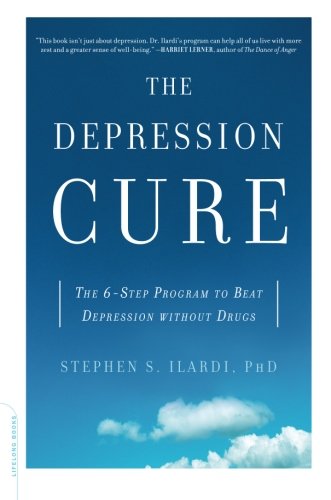
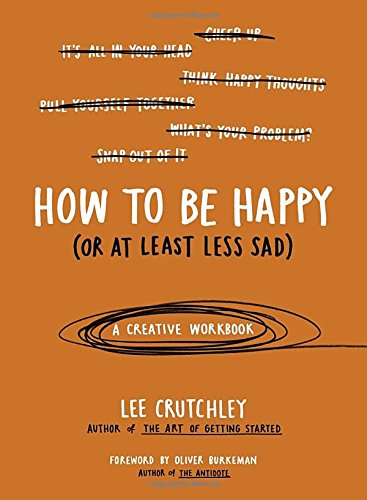
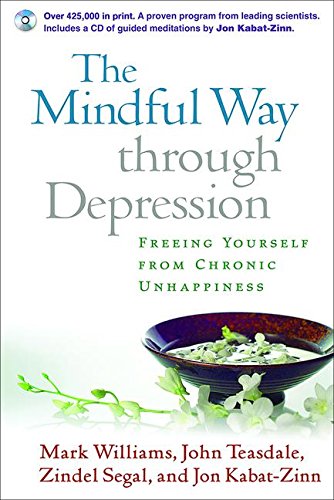
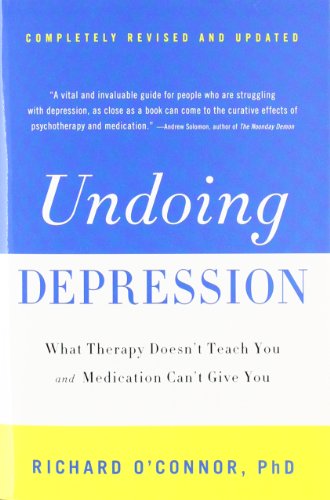
The Depression Cure: The 6-Step Program to Beat Depression without Drugs How to Be Happy (Or at Least Less Sad): A Creative WorkbookThe Mindful Way Through Depression: Freeing Yourself from Chronic Unhappiness (Book & CD)Undoing Depression: What Therapy Doesn't Teach You and Medication Can't Give YouHyperbole and a Half: Unfortunate Situations, Flawed Coping Mechanisms, Mayhem, and Other Things That HappenedDepression: 22 Ways They Don't Want You to Know to Naturally Cure Depression for The Rest of Your LifeA Mind of Your Own: The Truth About Depression and How Women Can Heal Their Bodies to Reclaim Their LivesThe Mindful Way Workbook: An 8-Week Program to Free Yourself from Depression and Emotional DistressCognitive Behavioural Therapy: 7 Ways to Freedom from Anxiety, Depression, and Intrusive ThoughtsRetrain Your Brain: Cognitive Behavioral Therapy in 7 Weeks: A Workbook for Managing Depression and Anxiety
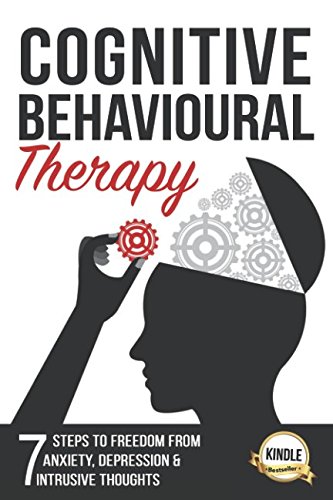
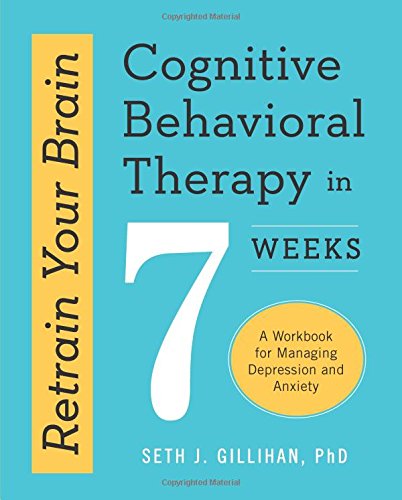
&
Books on Burnout
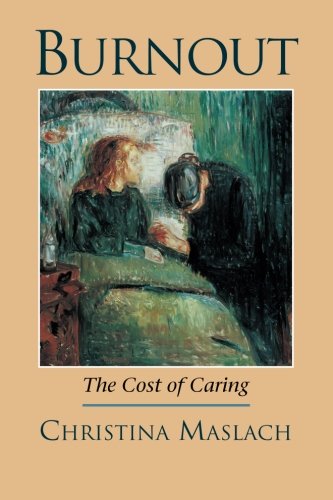
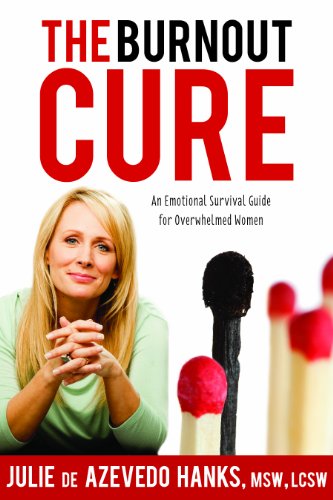
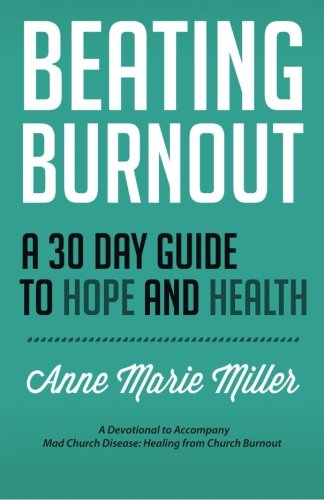
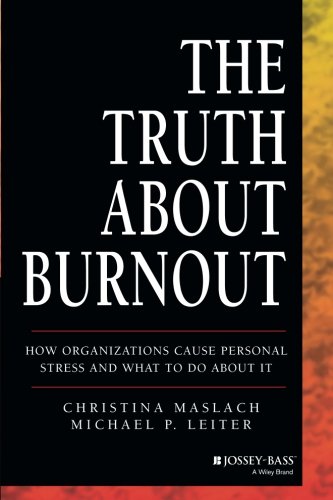
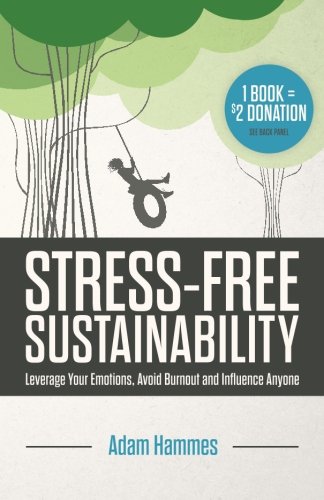
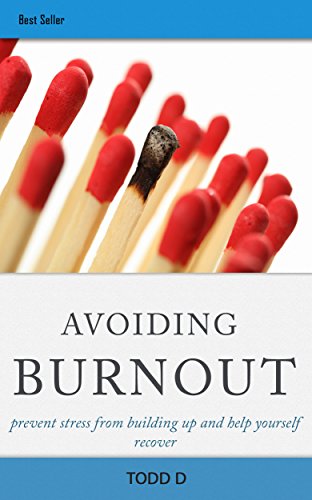
The Joy of Burnout: How Burning Out Unlocks the Way to a Better, Brighter FutureRemedy for Burnout: 7 Prescriptions Doctors Use to Find Meaning in MedicineBurnout: The Cost of CaringReclaiming the Fire: How Successful People Overcome BurnoutFried: Why You Burn Out and How to ReviveThe Burnout Cure: An Emotional Survival Guide for Overwhelmed WomenBeating Burnout: A 30 Day Guide to Hope and HealthHigh-Octane Women: How Superachievers Can Avoid BurnoutThe Truth About Burnout: How Organizations Cause Personal Stress and What to Do About ItStress-Free Sustainability: Leverage Your Emotions, Avoid Burnout and Influence AnyoneAvoiding Burnout: prevent stress from building up and help yourself recover.The Adrenal Reset Diet: Strategically Cycle Carbs and Proteins to Lose Weight, Balance Hormones, and Move from Stressed to Thriving
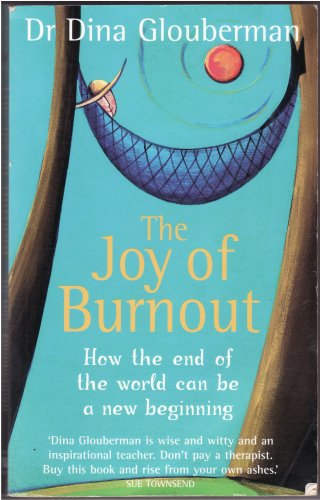
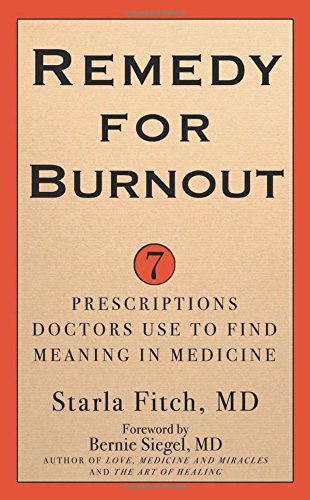

&
Regardless of whether you are experiencing depression or burnout, seeking professional help is key to improved health. Ignoring the signs can lead to more emotional and physical suffering.

Leave a Reply