We live in a time where food is abundant, making it important to know the difference between eating for sustenance versus pleasure. Being hungry is not the norm for many.
While this is a great time for people to have full bellies, it is also a time when the ability to overeat is there, too.
That is why knowing the difference between eating for sustenance (basic needs) versus pleasure should be considered.
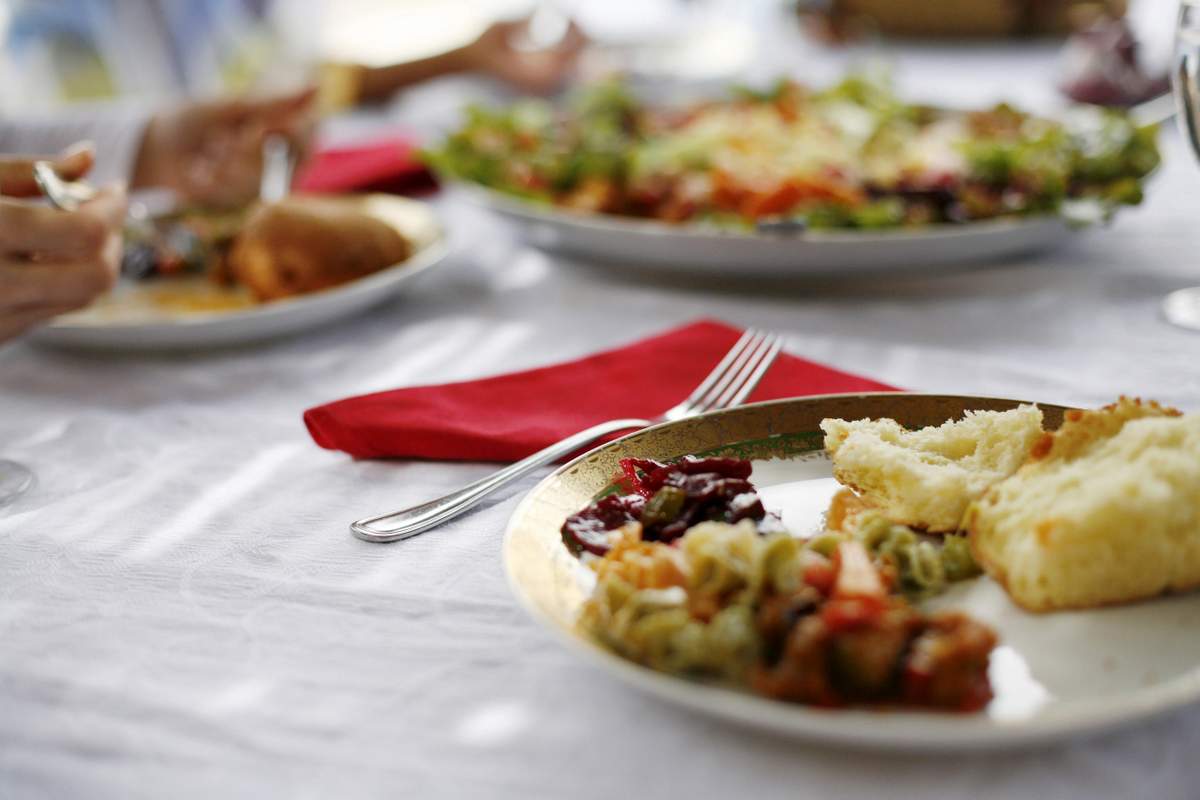
Difference Between Eating For Sustenance Versus Pleasure
You probably remember a time when you ate only when you were hungry? You had to get up, search for food from the refrigerator or pantry, which, you then had to prepare before you could eat it, right?
You may remember a time when having a snack involved actually getting up from your bed or from the floor where you were probably doing your homework., Or coming in from playing tag or riding your bike and slicing up meat and vegetables to make into a sandwich instead of opening a foil or plastic package.
You probably also remember your mother or grandmother telling you not to eat sweets as it would spoil your appetite for lunch or dinner. If you were monstrously hungry, you were given a piece of fruit and a glass of milk or orange juice. You ate your meals at a set time each day with your family and you did chores before meals and after meals as this would both work up your appetite and burn off what you just ate.
Ice cream and cake were only available when the ice cream truck came on a hot and humid day or when your mother baked a cake for your birthday. Candy, sugar-coated cereal and chips were something you only got a taste of when you went to the amusement park, when you went trick-or-treating for Halloween, or when you went to visit relatives at Christmas.
Yes, there was a time when we actually ate only when we were actually hungry. We did not eat out of habit, we did not eat out of boredom, and we certainly did not eat because we were upset or lonely.
Food was fuel for bodies that were active and accomplishing activities for daily living that benefited the family and the community.
What is Troubled Eating?
- We are in trouble when food becomes a substitute for things like friendship and romance; or when we consider food as a reward for when we achieve something.
- We are in bigger trouble when food and eating food becomes a way of coping with the ups and downs of life; when instead of facing unpleasant situations that require a strong backbone and an ounce of determination, we stuff our face with food.
- We are also in trouble when the food we eat and the amount of food we eat become status symbols. When the quality and amount of food we eat become ways by which we can show off how rich we are or how cool we are, we no longer view food as necessary sustenance or fuel for our bodies, we tend to think of it as commodities that enhance our view of ourselves and other people’s perception of us much like a gold watch, a brand new car or a big house in the suburbs.
- We are also in trouble when we stop eating and begin consuming. When we eat and pay attention to what we are eating, we are actually enjoying our food. When we consume, we actually do not even consider the taste of the food or its textures but merely fill our stomachs in order to feel better about ourselves and our situations instead of filling a physiological hunger.
Looking at The Cause And Effect
The attitudes described above are actually signs of food addiction and tolerance. We are addicted to food when eating is spurred on by a craving that we cannot resist as the particular food we eat gives us emotional satisfaction.
In cases of food addiction, we usually eat large amounts of food that may or may not be appropriate given the state of our health and we eat food that is not nutritionally dense. Food then becomes a poison of choice much like drugs or liquor.
Food tolerance occurs when our sense of emotional pleasure cannot be activated except when we eat certain kinds of food and at a progressively increasing amount of the same kind of food.
All these behaviors can be modified if we start thinking of food as fuel and sustenance for a complex machinery that is our human body.
When we stop associating eating with emotional needs, we can better control the amount and variety of food we eat. The reasons we eat are as important as the kinds of food we eat and the amount of food we eat.
Being mindful makes all the difference.
How are you going to keep the balance in eating during the holidays?
Leave a Reply